Visual Skills: The Hidden Edge in Sport
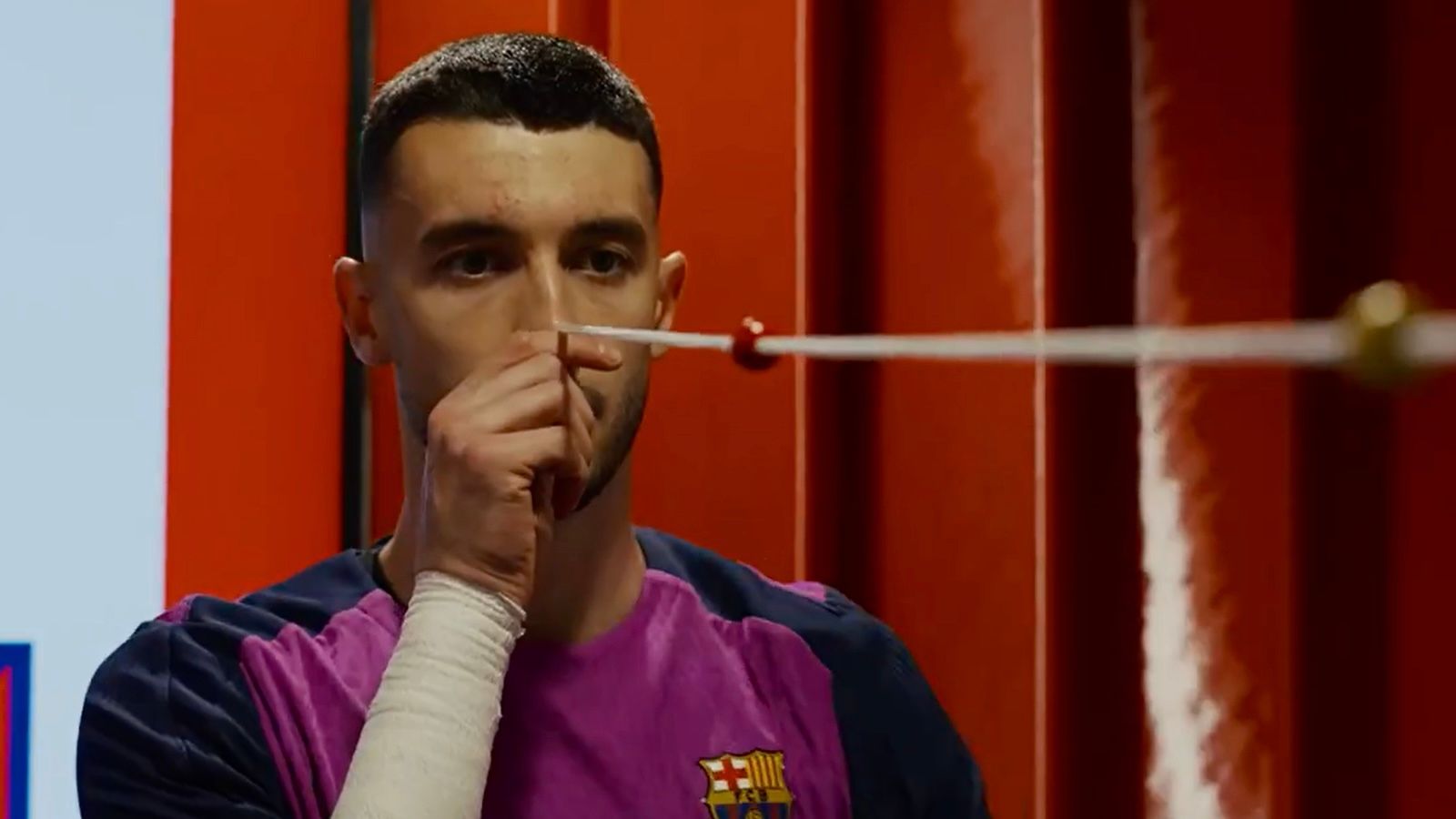
We tend to think athletic greatness is purely about speed, strength, and physical technique. But watch elite performers closely, and you’ll notice something else entirely: they seem to read and react to the game before it even unfolds.
That isn’t magic. It’s the result of how effectively an athlete sees, processes, interprets, and responds to visual information.
This is visual-motor integration — one of the most underrated components of competitive performance.
What Are Visual Skills?
True athletic vision goes far beyond having 20/20 eyesight.
An athlete can have excellent static visual acuity and still struggle to track a high-speed puck, judge a closing opponent, identify open space, or process a chaotic playing environment.
Visual skills involve the eyes and brain working together to collect and interpret information, recognize relevant cues, anticipate movement, and guide physical responses.
In sport, what matters isn’t simply seeing clearly. It’s how effectively an athlete uses visual information to make decisions and execute movement under pressure.
And importantly, many of these abilities can be assessed and trained.
The Five Visual Skills That Influence Athletic Performance
1. Peripheral Vision
Elite players rarely focus exclusively on the ball or puck.
They use information from their peripheral visual field to monitor teammates, opponents, and available space while maintaining attention on the immediate play.
This awareness helps athletes recognize opportunities, anticipate movement, and respond without constantly turning their heads.
2. Depth Perception
Judging distance, position, and movement is essential in competitive sport.
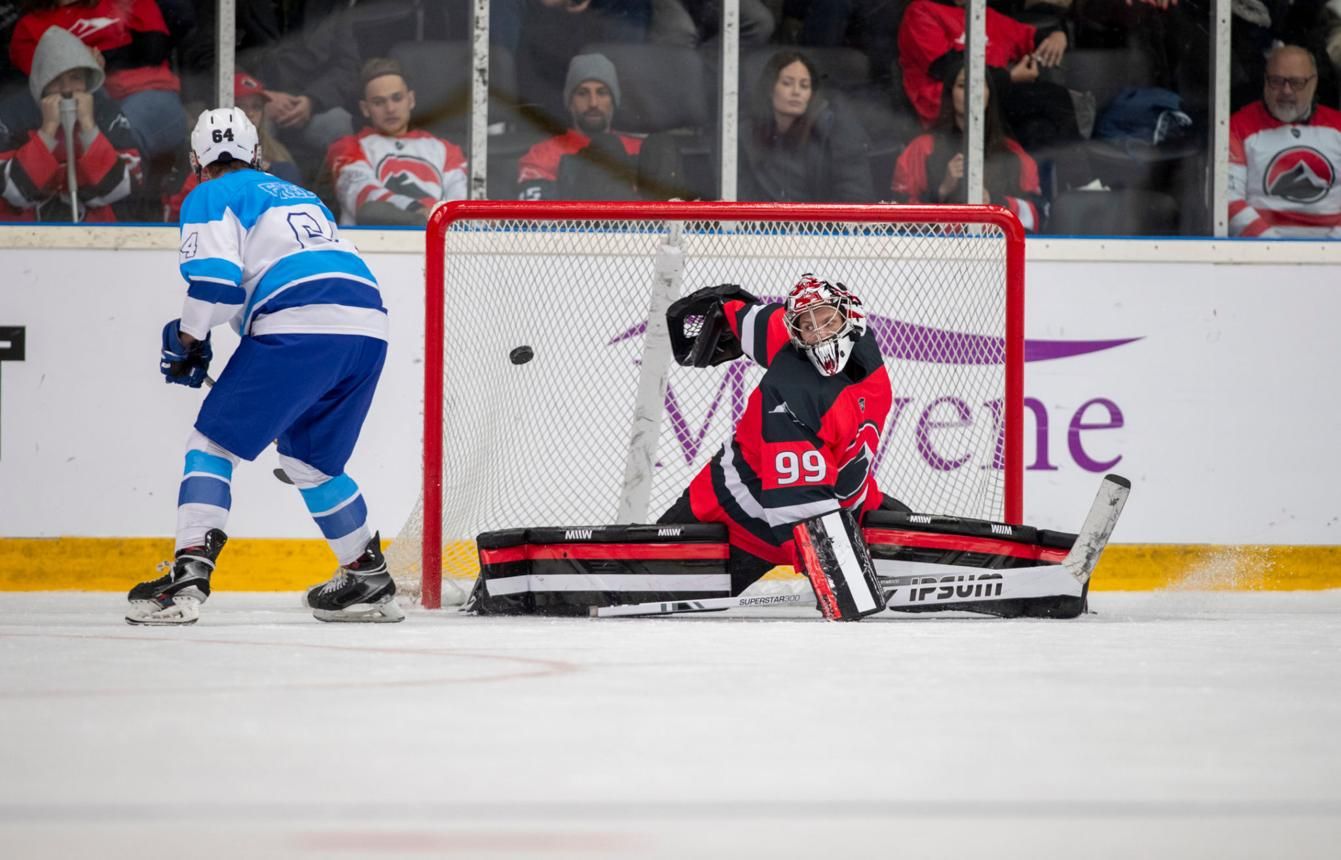
Whether calculating the flight of a tennis ball, timing a header in football, or reading an incoming rush on the ice, athletes must continuously interpret spatial information.
Effective depth perception supports accurate positioning, timing, and movement.
3. Reactive Control and Hand-Eye Coordination
Reaction is more than simply moving quickly.
The athlete must detect a stimulus, process the information, select an appropriate response, and coordinate the movement.
From returning a fast serve to stopping a powerful shot, visual information plays an important role in guiding motor execution.
The connection between seeing and responding can make a critical difference when time is limited.
4. Anticipation and Active Scanning
Great athletes don’t simply react. They anticipate.
By continuously gathering information from their surroundings, athletes can identify important visual cues before an action develops.
Body positioning, opponent movement, gaze behaviour, and spatial relationships can all provide information about what might happen next.
The ability to scan effectively and recognize relevant cues can help athletes prepare their responses earlier.
Research Insight: See It Before It Happens
Research by Li et al. (2023), published in Brain and Behavior, examined visual search strategies used by expert and novice basketball players when anticipating shot outcomes.
The study compared 20 expert and 20 novice players and found differences in their visual search behaviour and anticipation performance.
The findings highlight an important principle: skilled performance involves more than simply watching the action. It also involves identifying and using relevant visual information.
Scientific reference:
Li et al. (2023). Visual search strategies of performance monitoring used in action anticipation of basketball players.
Brain and Behavior, 13, e3298.
https://pmc.ncbi.nlm.nih.gov/articles/PMC10726756/
5. Focus Under Pressure
Attention is another important component of visual performance.
During competition, athletes must maintain focus on relevant information while filtering out distractions, managing changing stimuli, and responding under pressure.
The ability to direct and maintain visual attention can influence how effectively an athlete processes information in demanding situations.
How We Train Visual Skills
Visual performance training involves more than simply making athletes react to lights.
The objective is to challenge different components of visual attention, tracking, coordination, and decision-making through structured and progressively demanding tasks.
At CogniVision Motion Lab, training methods can include:
Dynamic Tracking Drills: Using moving targets and stroboscopic glasses to challenge visual tracking and coordination.
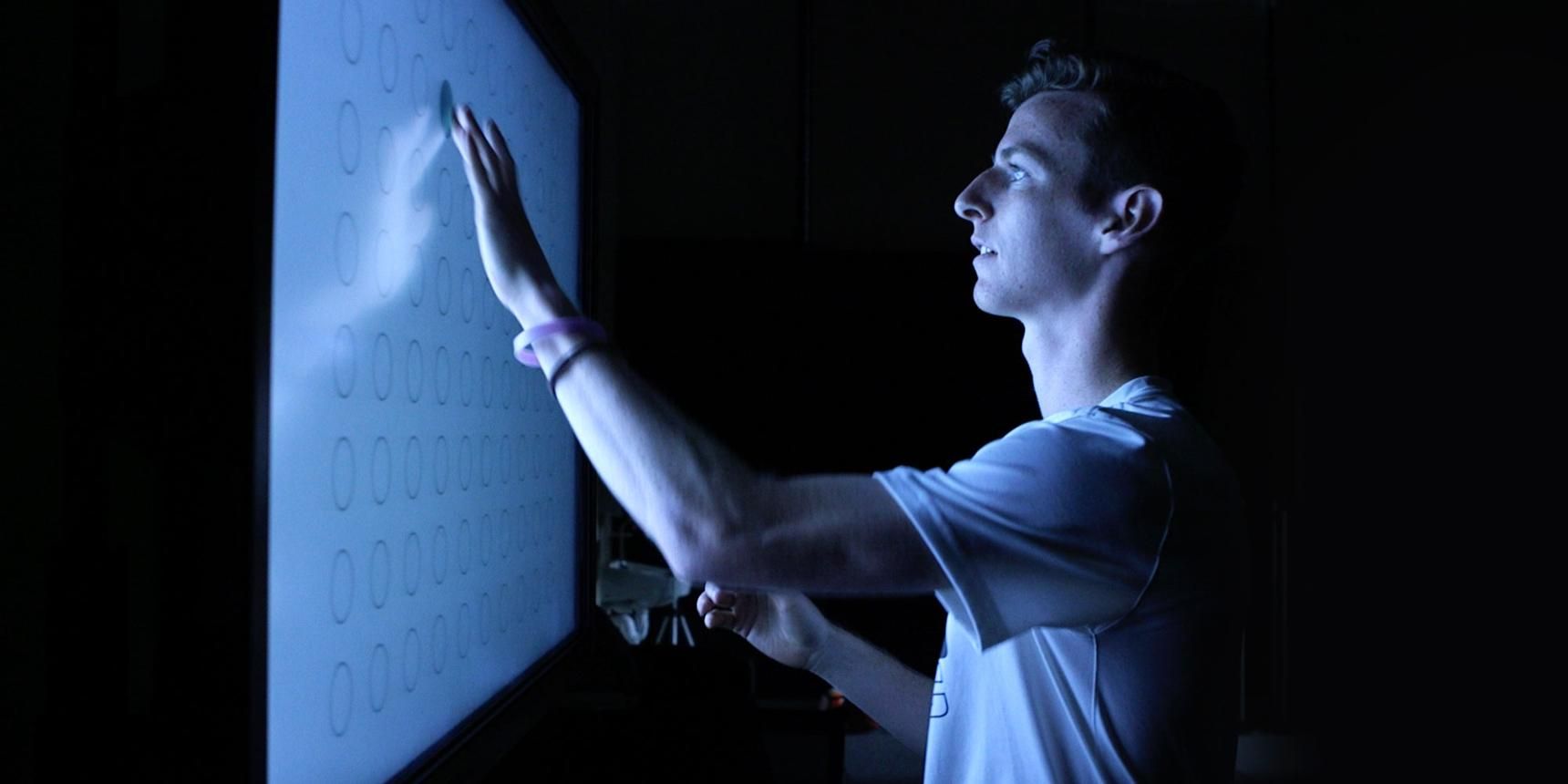
Peripheral Awareness Drills: Using interactive light boards and multiple visual targets to challenge awareness beyond central vision.
Active Scanning Protocols: Developing visual search habits and information-gathering strategies before receiving the ball or executing a play.
Reactive Training: Integrating high-speed visual stimuli, Go/No-Go protocols, and multidirectional targets to challenge response speed and decision-making.
Visual Recovery: Managing visual and attentional demands as part of an overall performance-training strategy.
The training approach should reflect the athlete’s individual needs, sporting demands, and assessment results.
The Takeaway
Raw speed and strength often get the headlines, but athletic performance begins before movement.
An athlete must first collect information, interpret what is happening, make a decision, and execute the appropriate response.
How effectively these processes work together can influence performance when time and space are limited.
YOU CAN’T IMPROVE WHAT YOU DON’T MEASURE.
At CogniVision Motion Lab, we use a structured approach to understand and develop visual-motor and cognitive performance.
MEASURE → IDENTIFY → TRAIN → RE-TEST
By assessing individual performance, we can identify strengths, recognize areas for development, and build training around measurable results.
Ready to understand your visual performance?
Discover how sports vision and cognitive performance assessment can help you understand the way you see, process, and respond under pressure.
Book a diagnostic assessment at CogniVision Motion Lab — Telefonplan, Stockholm.
See. React. Win.