Perceptual-Cognitive Expertise in Sport
Experts were generally better at picking up perceptual cues and responding accurately and quickly. The analysis also found differences in visual-search behaviour.
READ THE STUDY →Only the best brains make it
Elite performance starts in the brain — not just in the muscles.
BOOK YOUR ASSESSMENTOpens your email — we reply within 24 hours.
We often look at mechanics. We analyse technique and try to correct the movement.
It may start earlier — with what the athlete sees, processes and decides before moving.
Experts were generally better at picking up perceptual cues and responding accurately and quickly. The analysis also found differences in visual-search behaviour.
READ THE STUDY →Visual attention helps the brain process what an athlete sees and convert visual information into rapid decisions about action.
READ THE STUDY →One side can perform differently from the other.
Explore how left–right differences in response, movement time, spatial accuracy and synchronisation can relate to athletic performance.
DISCOVER MORE →Sometimes, better performance starts with a different question.
Know your starting point. Identify what needs to improve.
Training harder isn't always training smarter.
Maybe it's time to look beyond the usual methods.

ASSESS • TRAIN • RE-TEST
The connection between what you see, how you process information, how you decide and how you move.
Visual input and tracking
Attention and interpretation
Processing and response selection
Response initiation and timing
Coordination and execution
You can't improve what you don't measure. Here's what we track.
Response latency
How quickly you respond to a visual signal.
Side-to-side comparison
Whether one side performs differently from the other.
Spatial touch error
How accurately you place a response in space.
Response control
Your ability to hold back when the signal says no.
Tracking ability
How well you follow movement across a scene.
Correct responses
The proportion of decisions made correctly.
Measurements depend on the assessment protocol. What you see here is the profile we track — not fixed reference values.
You feel like you are a step behind the play. You put in the physical work, but your brain isn't processing the game fast enough. We assess your left and right side, find the visual delay, and train your reaction speed so you get there first.
Assess Your Speed →You see the ball, but you just can't reach it. The problem isn't your hands; it's the milliseconds between your eyes seeing the shot and your body moving. We train your visual tracking and reaction time to dominate the crease.
Train Like a Pro →Your team is physically ready, but making too many mental errors. Bring cognitive-visual testing and training to your whole squad. Baseline your roster, find the visual signature of your errors, and track team progress.
Club Enquiries →Athletic performance involves more than physical capacity. The ability to extract visual information, direct attention and respond effectively is associated with sport-specific performance.
Develop the visual, cognitive and movement skills that help you perform under pressure.
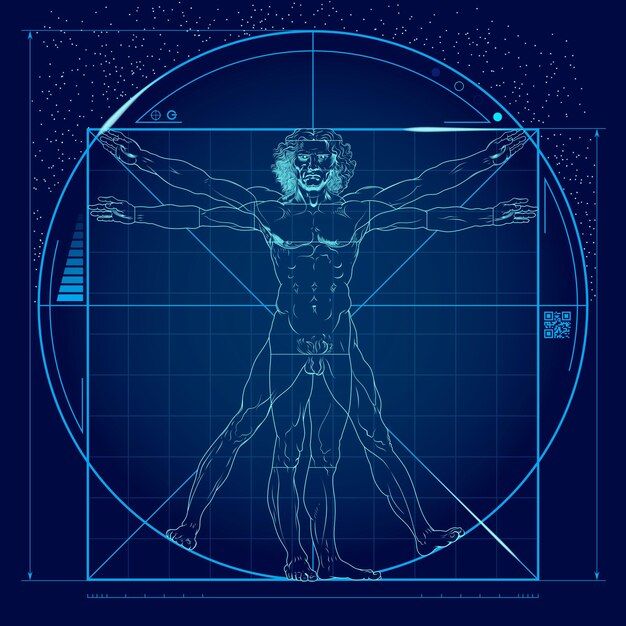
Stop guessing. Start measuring. A structured assessment of body function, movement patterns and cognitive-visual performance. We identify individual strengths, asymmetries and areas that may limit efficient performance.
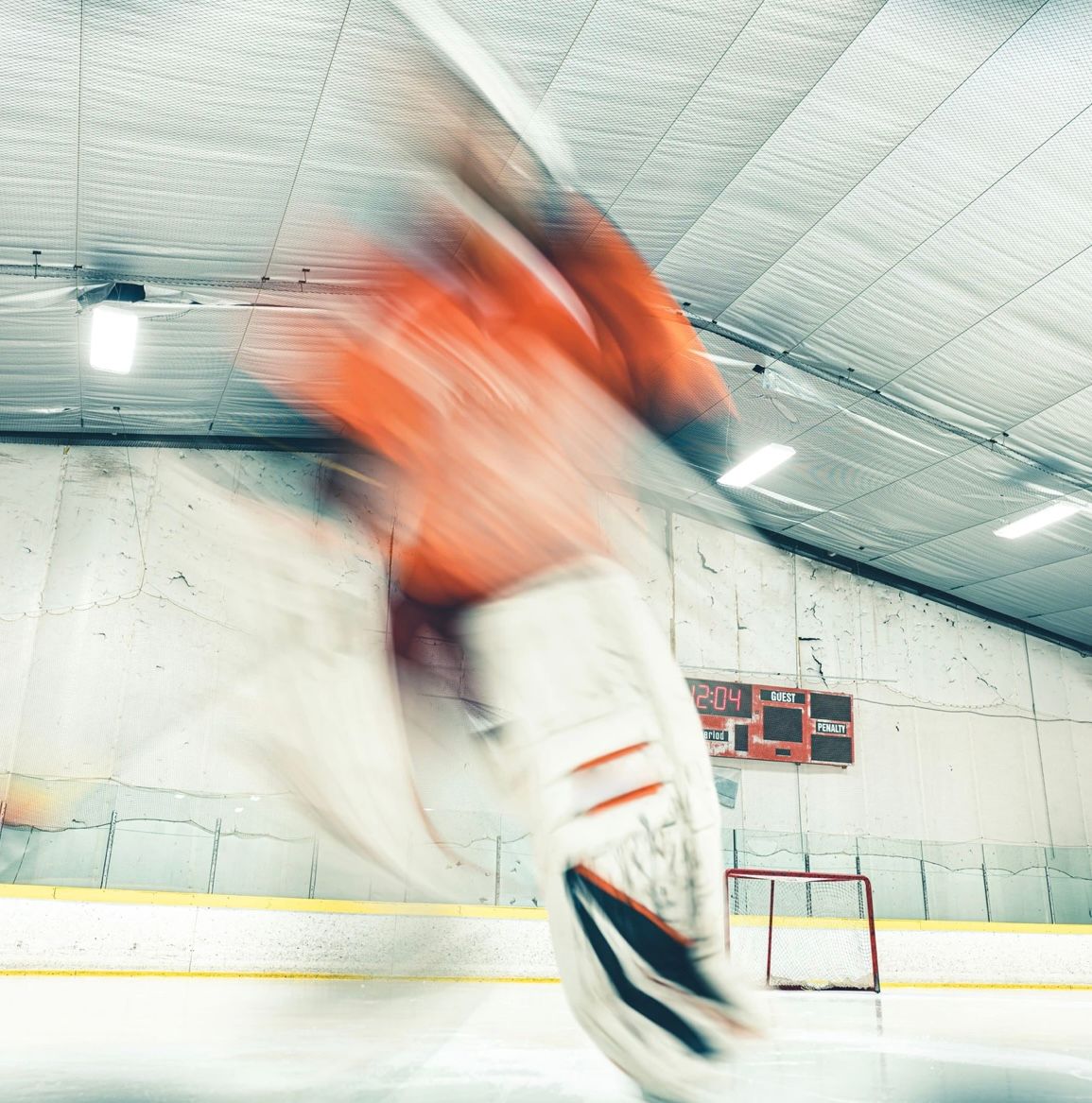
Movement that reacts, adapts and stays in control. We integrate vision, balance, coordination and strength to develop efficient movement and better control in changing, sport-specific situations.
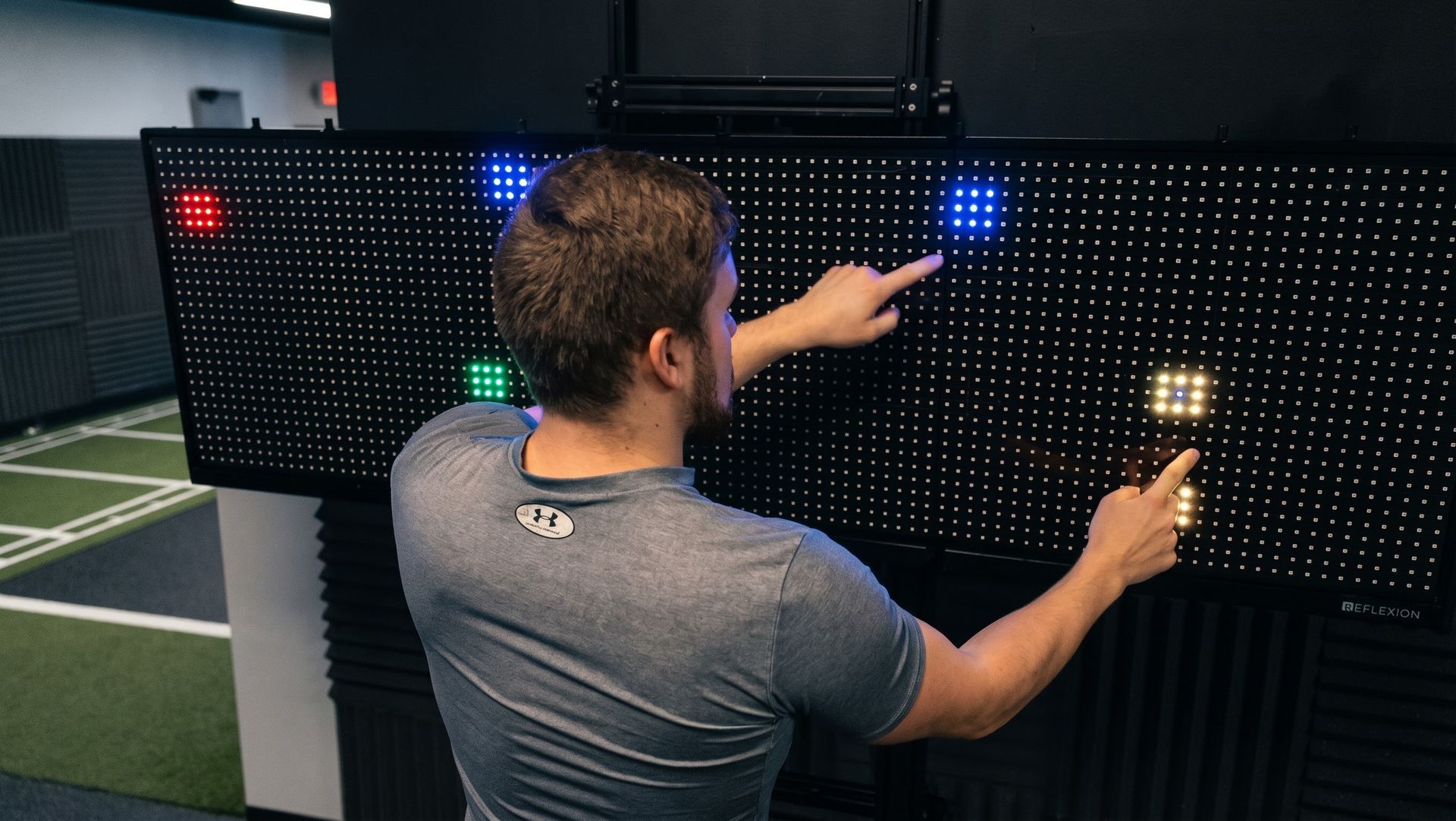
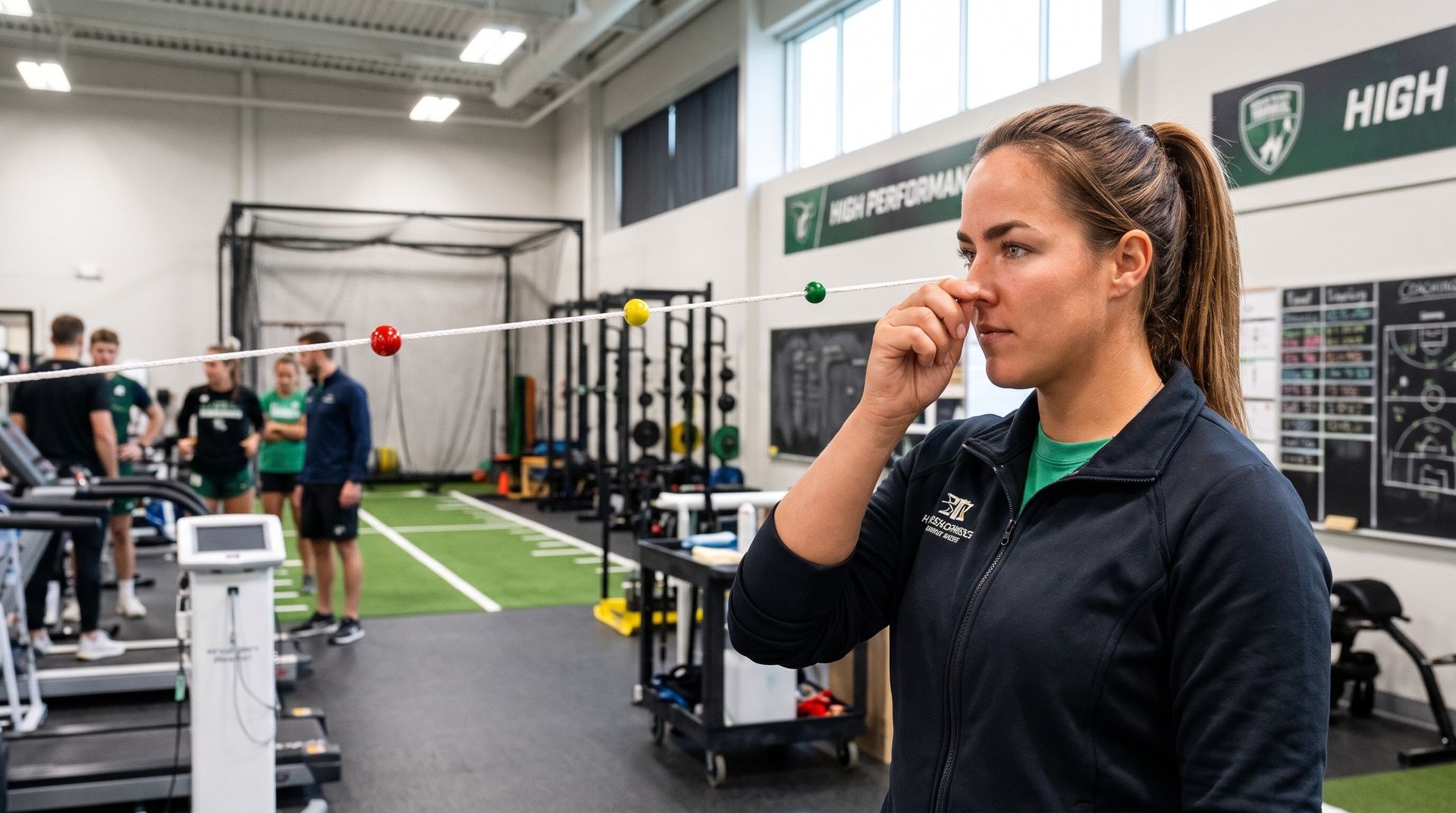
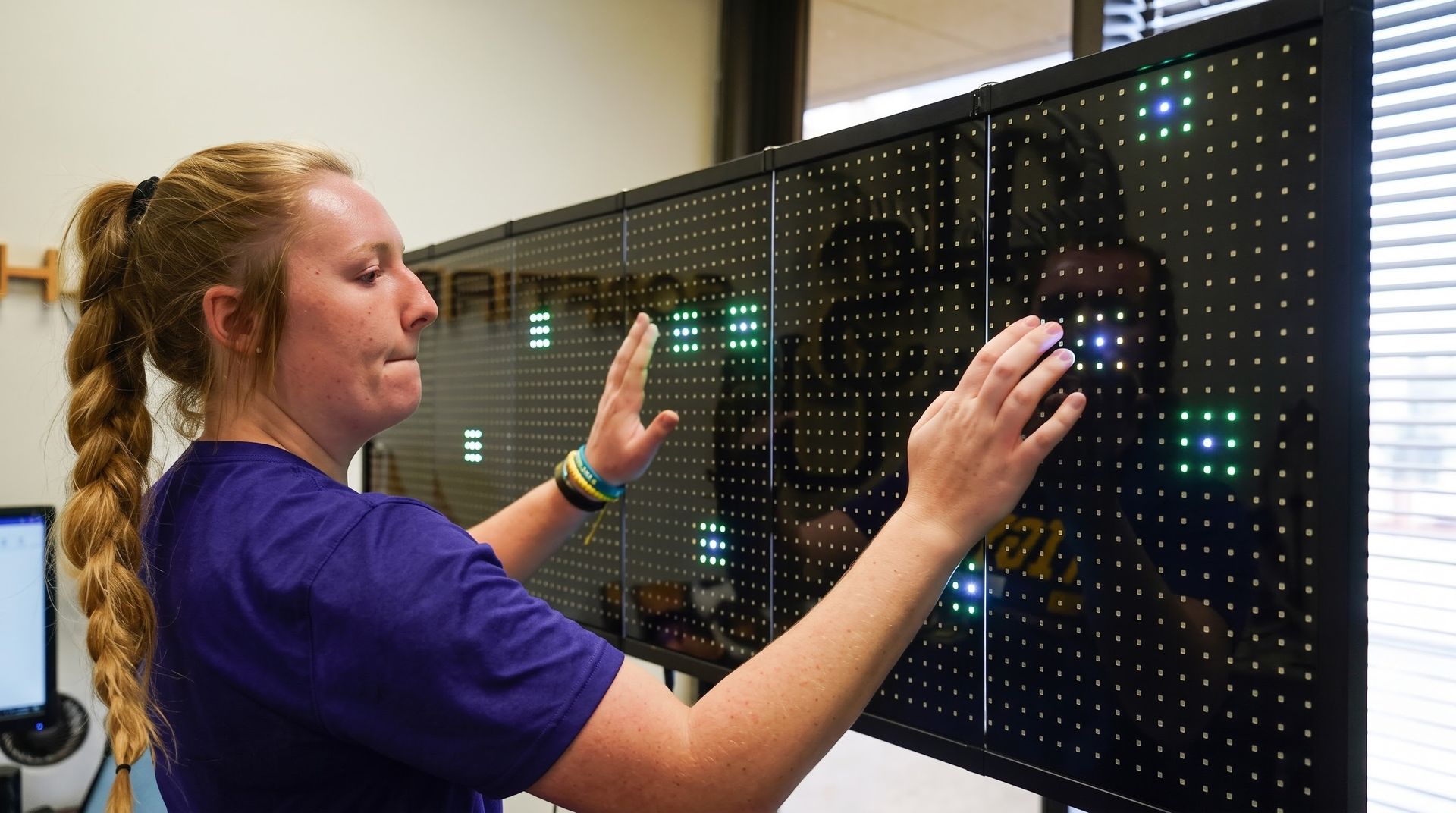
Train the skills behind performance: visual awareness, tracking, attention, anticipation and decision-making. Training combines individual exercises with technology such as Reflexion Edge and targeted vision drills.
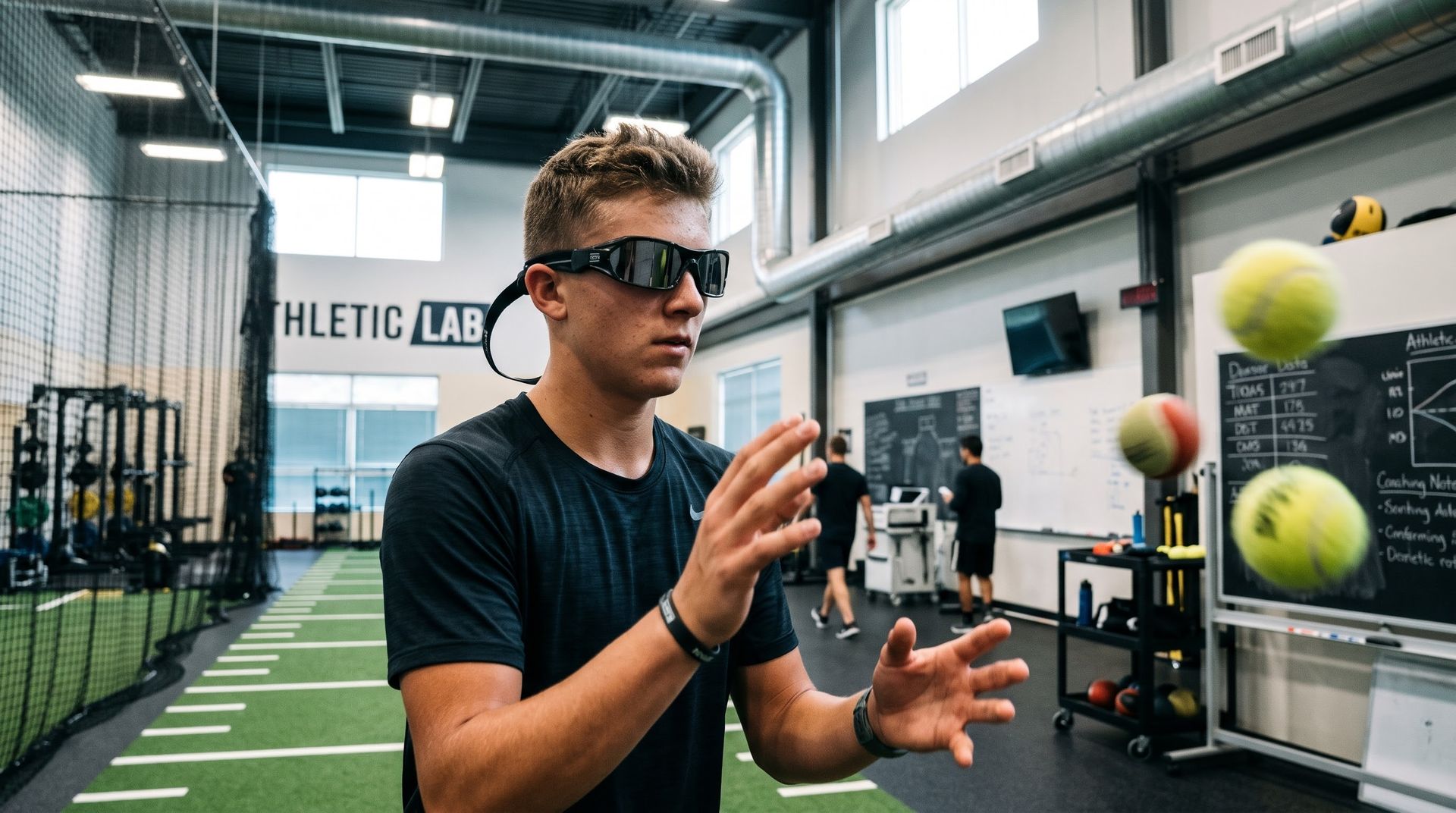
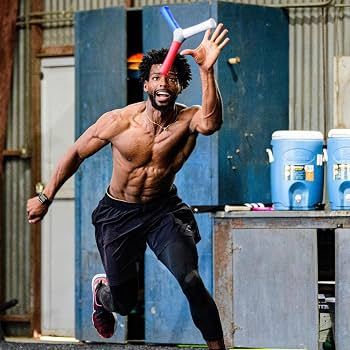
Develop the connection between visual information and precise action. Training challenges coordination, response timing, accuracy and the ability to react effectively under changing demands.
Your visual system, brain processing and decision-making determine how fast you can react and move.
Seeing an action develop is one thing. Recognising the information early enough to anticipate what happens next is another. Research suggests that visual anticipation can improve through targeted temporal-occlusion training.
Test how quickly you respond to a visual signal. Keep your finger ready and tap the green target as soon as it appears.
Get ready.
The reference distribution above is illustrative and not a validated clinical benchmark. Your average, fastest and slowest times are your own measured results from this session.
Sports performance also depends on visual awareness, anticipation, decision-making and movement coordination. These capacities work together when you respond to the demands of your sport.
20 experts compared with 20 novice players.
Experts predicted shot outcomes more accurately.
First fixation duration on the relevant area: experts versus novices.
Develop sharper visual awareness. Faster reactions. Better anticipation.
Whether you're a goalkeeper, tennis player, footballer, boxer or athlete in any sport, performance depends on how effectively you see and process information.
It's not just about fitness. It's about perception, timing and decision-making.
Train your cognition. Make sharper decisions. Stay one step ahead.
BOOK YOUR SESSIONVISUAL PERFORMANCE TECHNOLOGY
Train visual processing under changing visual conditions. Stroboscopic training challenges the athlete to process visual information when clear visual input is temporarily interrupted.
ASSESSMENT & COGNITIVE TRAINING
Measure and train visual processing, attention, response accuracy and decision-making through interactive performance tasks. Assess individual responses, identify areas to develop and track progress over time.
Explore the technology behind advanced visual, cognitive and sensorimotor performance training.
EXPLORE FURTHERThe Quiet Eye is the final fixation on a relevant target before a critical movement. Research links this gaze behaviour to skilled performance and shows it can be trained in specific sporting tasks.
SEE FASTER. THINK CLEARER. MOVE WITH PURPOSE.
Athletic performance is more than strength and speed. It depends on how effectively you see, process information, make decisions and coordinate movement under pressure. The connection between your eyes, brain and body plays an important role in how you respond to the demands of your sport.
Individual assessment. Personalised training. Measurable progress.
A complete insight into your athletic performance.
Build the cognitive skills that support athletic performance. A customised six-week programme focused on how you perceive information, interpret what you see, make decisions and coordinate movement.
Reflexion Edge testing and the individual Reflexion Score are included in Option A. Option B is a customised training programme without Reflexion Edge testing.
ENQUIRE ABOUT PROGRAMMEA structured, data-guided development programme for athletes ready to take performance further.
Bring cognitive-visual performance training into your team's preparation.
“Everything feels really good, and I feel like I’ve got a handle on every exercise. It feels like I’m really getting my brain and eyes working better, and I’ve also established a great new daily routine. I played a really good match this weekend, too — I think the training is starting to pay off!”
CogniVision Motion Lab
Responsgatan 18, 126 29 Stockholm
By appointment only: Please book your session using the calendar below. If you have any trouble finding us on the day, just email [email protected].
OPEN IN GOOGLE MAPSHave a question about an assessment, individual training or team performance? Let's discuss your goals.
Book your introductory meeting using the calendar above.
Prefer email?
[email protected]